Tag: AI

  • The Augmented Recruiter: Debunking the “Robot Rejection” Myth and Navigating the New Realities of AI in Hiring

    The Augmented Recruiter: Debunking the “Robot Rejection” Myth and Navigating the New Realities of AI in Hiring

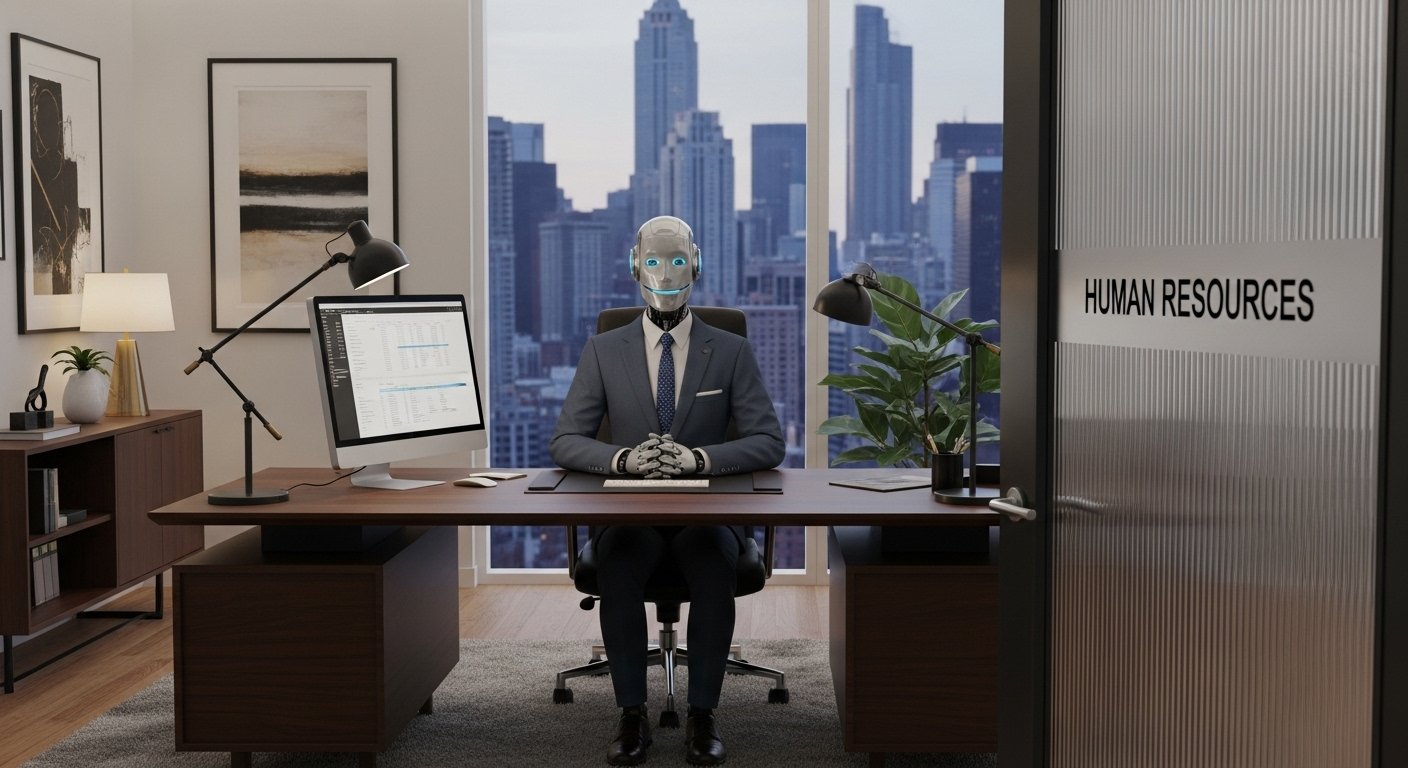
    There’s a pervasive narrative that has taken hold of the job market: the “robot recruiter.” It’s an autonomous AI, working in a black box, algorithmically rejecting 75% of resumes before a human ever sees them. Candidates are terrified of it, and frankly, many HR leaders are unclear on where the myth ends and the reality begins.

    Let’s be clear: this “robot recruiter” is a myth.

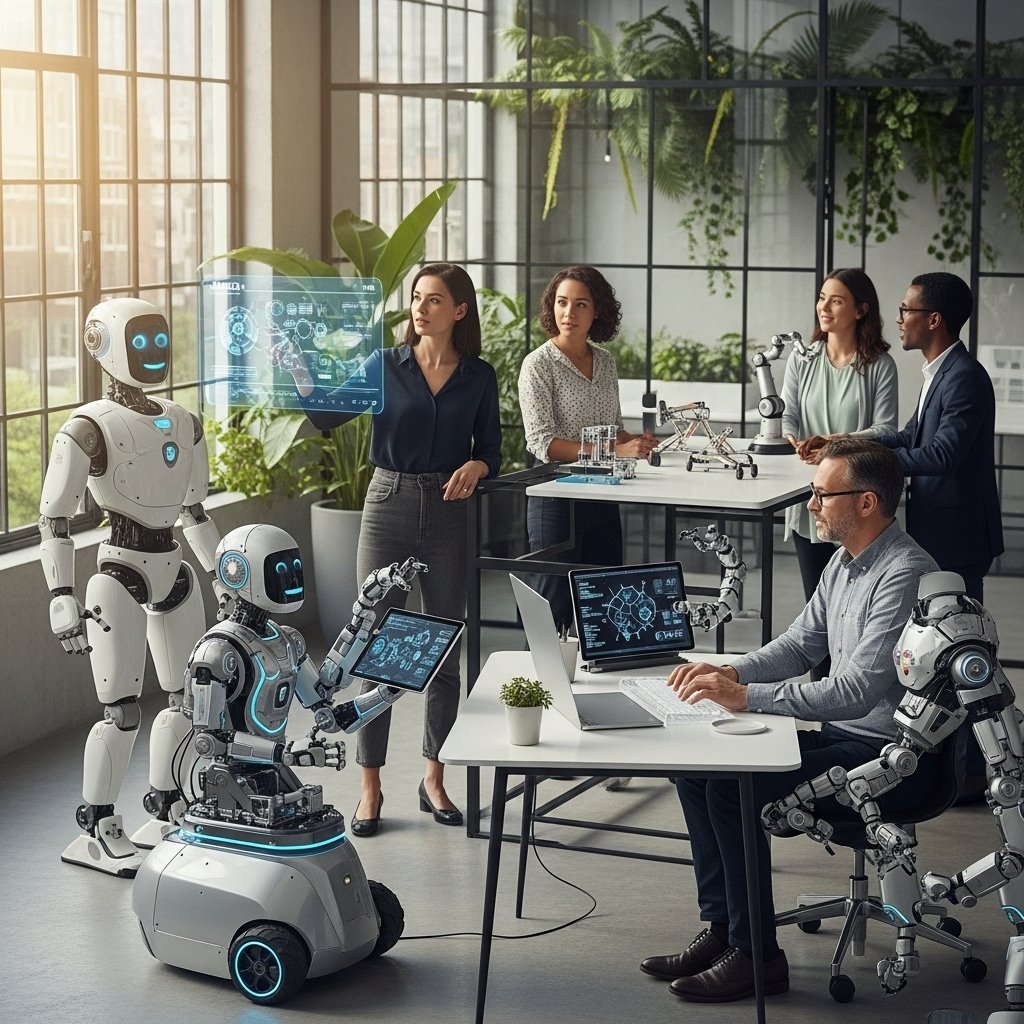
    The reality of AI in hiring is not one of automation; it’s one of augmentation. AI isn’t replacing the human recruiter; it’s redefining them.

    This technology isn’t an optional upgrade. It is a direct response to the mathematical crisis of volume in the modern talent funnel. When Google receives over 3 million applications a year and Goldman Sachs gets over 315,000 applications for a single internship program, manual review isn’t just inefficient—it’s physically impossible.

    For HR professionals and hiring managers, the central challenge is no longer if we should use AI, but how. We must balance a powerful business imperative for efficiency against significant public distrust and, most importantly, a complex new legal and regulatory framework.

    Here’s what you actually need to know.

    The Crisis of Volume: Why AI Became a Necessity

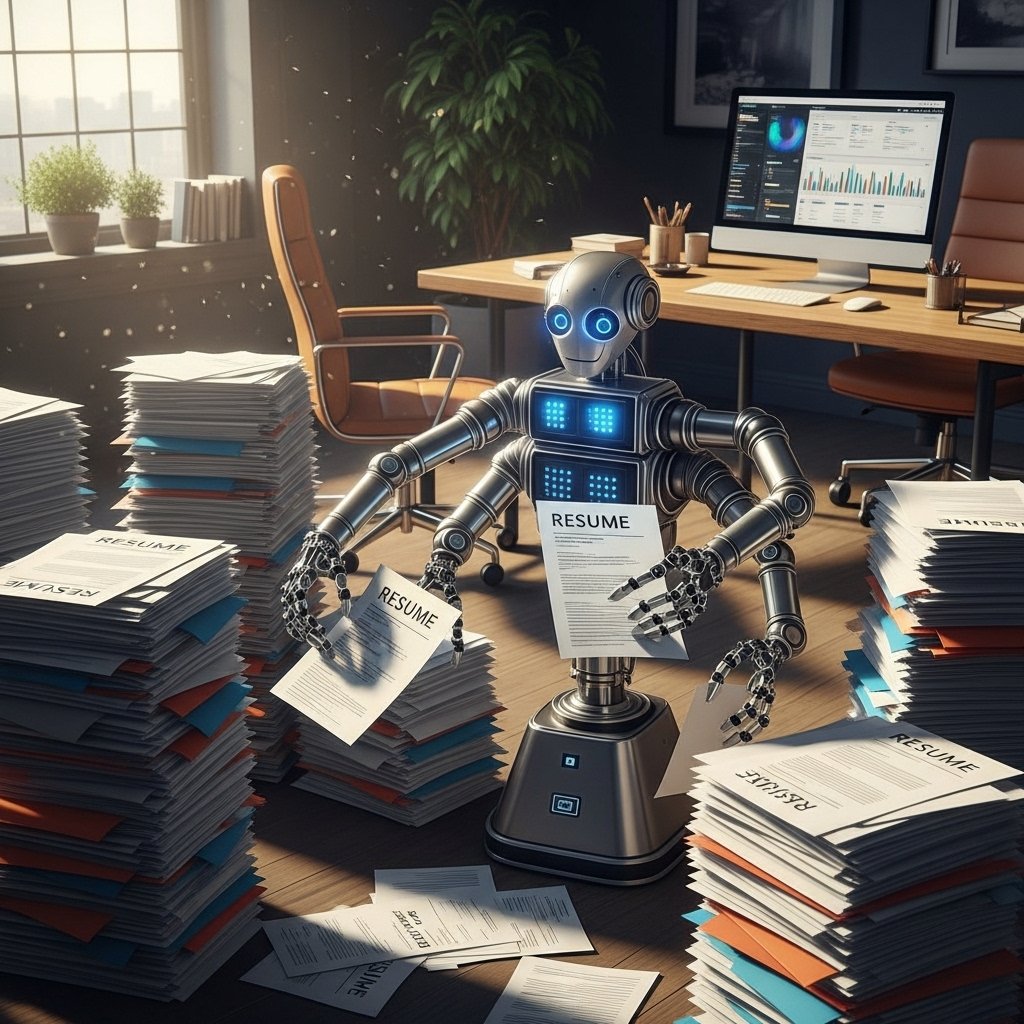
    To understand AI’s role, you must first understand the math. A single competitive role can easily attract 200+ applications. If a diligent recruiter spends just 60 seconds on an initial resume scan, that’s over three hours of monotonous screening for one position before a single phone screen.

    This massive administrative burden, which can consume up to 80% of a recruiter’s time, leads to “attention fatigue.” A recruiter reviewing their 150th resume is not applying the same focus as when they reviewed their first.

    The “filter” is not an invention of AI; it’s a mathematical necessity. AI’s role is simply to make this massive, necessary filtering task possible, consistent, and data-driven.

    Know Your Tools: The Critical Difference Between ATS and AI

    Much of the public’s confusion—and fear—stems from lumping two very different technologies together: the Applicant Tracking System (ATS) and true AI.

    • Applicant Tracking System (ATS): This is what 99% of Fortune 500 companies use. An ATS is, first and foremost, a database and workflow tool. It’s a digital filing cabinet. The “rejections” it issues are typically based on simple, rules-based “knock-out questions” set by a human (e.g., “Do you have work authorization?”). A recent study found that 92% of recruiters report their systems do NOT auto-reject candidates based on resume content alone.
    • True AI Screening: This is a data processor that sits on top of the ATS. It uses machine learning to parse 100% of resumes, understand context (e.g., “client success” is similar to “customer success”), and rank the entire applicant pool against the human-defined criteria.

    The AI does not reject the candidate. The human recruiter logs in and sees a prioritized list. Instead of scanning 200 random resumes, they now focus their limited time on the top 20 candidates ranked by the AI.

    The human sets the criteria, and the human makes the final decision from the AI-generated shortlist.

    The Augmented Recruiter: How AI Frees You for What Matters

    The most impactful and legally defensible use of AI is as a “digital teammate” that automates high-volume, low-judgment work. This frees human recruiters to focus on the high-value, uniquely human skills that AI cannot replicate: judgment, empathy, and strategy.

    This is the AI-human division of labor:

    FunctionAI Role (Automation & Augmentation)Human Recruiter Role (Judgment & Decision)
    SchedulingFully automates interview scheduling 24/7, integrating with all calendars and handling rescheduling.Approves final interview slate.
    ScreeningParses and scores 100% of applicants based on human-defined criteria. Delivers a ranked shortlist.Reviews the top-ranked candidates. Makes the selection for the phone screen.
    InterviewingTranscribes audio, summarizes key points, and identifies action items from the human-led interview.Conducts the interview. Asks nuanced questions, builds rapport, assesses cultural fit and soft skills.
    Final DecisionProvides predictive analytics (e.g., “likelihood to succeed”) based on historical data.Makes the final “Hire / No Hire” decision. Considers all data points and makes a final, nuanced human judgment.

    AI handles tasks, not relationships. Recruiters who leverage AI automation for scheduling and screening save 10+ hours per week, allowing them to move from data entry to strategic advisement.

    The Legal Gauntlet: What Every HR Leader MUST Know Now

    This is the most critical, high-stakes part of the AI conversation. The “human-in-the-loop” model isn’t just smart strategy; it’s rapidly becoming a legal requirement.

    A new, aggressive legal framework is emerging, and “I didn’t know” is not a defense.

    1. EEOC Guidance (Title VII & ADA): The EEOC has been unequivocally clear: you, the employer, are 100% liable for discrimination caused by your AI tool, even if it was designed by a third-party vendor. Relying on a vendor’s “assurance” that their tool is “bias-free” is not a legal defense. If an AI tool disproportionately screens out a protected class, the legal burden is on you to prove it is “job-related and consistent with business necessity.”
    2. NYC Local Law 144 (The New Blueprint): Effective since 2023, this law is the blueprint for other states. It mandates that any employer using an “Automated Employment Decision Tool” (AEDT) for a NYC-based role must:
      • Conduct an annual, independent bias audit.
      • Publish the results of that audit on your website.
      • Notify candidates before using the tool.
      • Inform candidates of their legal right to request an alternative selection process (i.e., a human-in-the-loop).
    3. The “Emotion AI” Trap (A Warning): Avoid any tool that claims to analyze a candidate’s personality, “job fit,” or “energy” by analyzing their facial expressions or voice tone. This “affective computing” is widely considered pseudoscientific, notoriously biased, and a massive legal liability. The EU has already banned it in workplace settings, and the EEOC has issued specific warnings against it.

    Conclusion: Don’t Replace Recruiters. Augment Them.

    The “robot recruiter” is a myth. The augmented recruiter is the reality.

    AI will not replace recruiters. But recruiters who use AI will unequivocally replace those who do not.

    This shift demands a new, elevated skill set for HR professionals. We are no longer just administrators; we are the strategic, ethical governors of these powerful new tools. The future of our profession lies in embracing AI to manage scale and data, which in turn frees us to be more strategic, more data-literate, and, above all, more human.

  • How TA Leaders Can Help Overwhelmed Recruiters and Save Candidate Experience

    How TA Leaders Can Help Overwhelmed Recruiters and Save Candidate Experience

    The job market is shifting, and for Talent Acquisition (TA) teams, the change often brings a crisis of volume. When economic uncertainty hits, job applications surge. Recruiters are no longer struggling to source candidates; they are drowning in a flood of “shotgun applications,” where desperate or displaced applicants apply to every available role, regardless of suitability.

    This environment has fundamentally redefined the core challenge of TA: it’s no longer about finding talent, but about efficiently extracting quality from an overwhelming volume of noise.

    The Silent Crisis of Recruiter Overwhelm

    For the individual recruiter, this application surge is a fast-track to burnout. Historically, recruiters already spend 20% to 30% of their time on administrative tasks like scheduling, posting, and manually screening resumes. When application volume spikes exponentially, this manual process—which typically averages seven seconds per resume—becomes impossible to sustain.

    The resulting administrative drag has two critical consequences:

    1. Recruiter Burnout: Overwhelmed recruiters, pressed for time, prioritize speed over diligence, leading to stress, burnout, and an increased probability of a bad hire.
    2. The Candidate “Black Hole”: The inability to keep up with volume means communication with candidates breaks down. Applicants are left in the dark, creating the infamous “black hole” phenomenon—a guaranteed source of negative candidate experience (CX) and lasting damage to the employer brand.

    The solution is not to simply hire more recruiters, but to fundamentally redefine the role itself.

    The Strategic Pivot: From Administrator to Talent Analyst

    TA leadership must initiate a strategic pivot, moving the function from a transactional support service to a proactive, data-informed strategy driver. The core goal is to absorb the administrative load using technology, thereby freeing the human recruiter to focus on strategic, high-value tasks.

    This transition is supported by compelling data, as organizations strategically leveraging recruitment technology can realize a 63% improvement in overall hiring efficiency.

    How Leadership Can Enable Recruiters to Win

    The path to rescuing the recruiter and transforming the TA function rests on three key pillars:

    1. Strategic Automation of the Funnel

    Leadership must invest in and rigorously audit a tiered screening model powered by AI and automation:

    • Tier 1: Automated Screening: Implement AI and Applicant Tracking System (ATS) rules to immediately disqualify candidates lacking mandatory, job-critical requirements (e.g., essential certifications or experience). This stage is engineered for ruthless efficiency.
    • Tier 2: Automated Assessment: Utilize AI-powered tools for automated interview scheduling and initial vetting, such as one-way video interviews or skills assessments. This process removes the time-consuming email back-and-forth, reducing administrative work by up to 97% in some cases.
    • Tier 3: Strategic Engagement: This tier is reserved exclusively for the human recruiter. They focus only on the highly qualified shortlist, dedicating their time to deep cultural fit assessment, behavioral interviewing, and negotiation—the empathetic, nuanced work that only humans can perform.

    2. Invest in AI Literacy and Governance

    Simply deploying new tools is insufficient. TA leaders must ensure their teams have the competence and ethical framework to use them:

    • Upskilling: Provide comprehensive training (AI literacy) so recruiters can transition from process administrators to Talent Advisors. This means training them to interpret AI-generated data, understand predictive analytics, and use these insights to offer strategic counsel to hiring managers.
    • Bias Mitigation: A non-negotiable step is to audit all AI systems. Because AI is trained on historical data, it can inherit and amplify human biases. Leaders must enforce a “human-in-the-loop” protocol, ensuring human recruiters review and have the final say on AI-driven recommendations, mitigating the significant legal and ethical risk of algorithmic bias.

    3. Lead with Empathy and Mitigate Burnout

    The primary defense against burnout is leveraging technology to provide administrative relief. Leaders must proactively promote professional boundaries and acknowledge the immense pressure on the team, reinforcing that the quality of the hire is non-negotiable, even when managing exceptional volume.

    Protecting the Candidate Experience at Scale

    In a high-volume market, consistency and transparency are the ultimate currency of candidate experience. Since personalized, manual outreach is impossible for every applicant, the strategy must be to maximize timely, standardized communication.

    Here’s how TA leadership can turn volume into a talent relationship asset by maximizing timely, standardized communication:

    • Initial Application: Keep the process short, simple, and fully mobile-friendly using an optimized ATS form to minimize friction and drop-off.
    • Status Inquiries: Provide instant, standardized answers to frequent questions 24/7 using AI Chatbots.
    • Pipeline Updates: Maintain a consistent cadence of communication (e.g., weekly status updates), even if the message is “still reviewing,” by using automated, personalized emails and text alerts.
    • Mass Rejection: Turn rejection into a future sourcing asset using auto-rejection tools that professionally acknowledge the high volume and invite candidates to join the talent pool.

    Rejection, in particular, must be handled with integrity. Auto-rejection emails should be professional, transparent, and explicitly acknowledge the high volume of applications. Crucially, the system should always offer the candidate a next step, such as an invitation to join the official talent pool or receive future job alerts.

    The Bottom Line: The future of high-volume TA is a “bionic” model. AI handles the scale, speed, and efficiency of the screening and scheduling process. This liberation allows the human recruiter to focus their unique, irreplaceable value—empathy, critical judgment, and strategic relationship building—on the final, highest-impact candidates. This shift is how TA leaders transform a crisis of overwhelm into a competitive advantage.

    Listen to one of the most important podcasts we have produced. It might just help your recruiters and protect your brand: https://rss.com/podcasts/renownedhiring

  • The AI Revolution in Talent Sourcing: A Guide for Recruiters and Candidates

    The AI Revolution in Talent Sourcing: A Guide for Recruiters and Candidates

    The world of talent acquisition is undergoing a fundamental shift, moving from a reactive, administrative process to a proactive, data-driven strategy. For decades, the talent lifecycle was a manual, time-consuming journey of sifting through resumes and coordinating logistics. Today, AI is no longer a simple tool for automation; it has become a strategic partner that is redefining how companies find and engage with talent.

    This transformation is reshaping the entire recruitment ecosystem, from the technology companies use to the skills recruiters need and the way candidates must present themselves. The most successful organizations are those that are embracing this new reality, using AI to streamline repetitive tasks and free up human professionals to focus on the strategic, high-value work that only people can do. This guide explores this evolution and provides a playbook for both recruiters and candidates to thrive in the age of AI.

    1. The New Paradigm of Talent Sourcing: From Manual to Predictive

    Historically, talent sourcing was a reactive process where recruiters waited for applications to arrive and then manually reviewed them. AI is enabling a profound shift to a proactive, predictive strategy. AI-powered systems can now actively source and identify passive candidates who may not even be looking for a new role. These platforms use sophisticated Natural Language Processing (NLP) to understand the context and nuances of a candidate’s skills and experience, moving beyond rigid keyword matching.

    At its core, AI-driven sourcing is an engine for automation and efficiency. It streamlines key tasks, allowing recruiters to focus on the strategic elements of their job.

    • Intelligent Resume Screening: AI tools can analyze and rank thousands of resumes in minutes, filtering candidates based on job requirements with greater speed and efficiency than a human could. This drastically reduces the time-to-hire.
    • Generative AI for Content: AI is used to create compelling and inclusive job descriptions and to write personalized candidate outreach messages, which can lead to higher response rates.
    • Conversational AI: AI-powered chatbots and virtual assistants provide 24/7 engagement by handling initial candidate interactions, answering frequently asked questions, conducting pre-screening assessments, and automatically scheduling interviews.

    2. The Recruiter’s New Skillset: From Administrator to Strategist

    As AI automates the transactional tasks of the job, the role of the recruiter is being redefined. Instead of being a process executor, the modern recruiter is becoming a strategic talent consultant who advises on market dynamics and long-term workforce planning. This requires a new blend of human-centric and technical skills.

    The Hybrid Future of Search: For decades, Boolean search has been a foundational skill for recruiters. However, AI-powered sourcing is changing the game by using NLP to understand a recruiter’s intent from conversational prompts like “Find software engineers with experience in Python and machine learning who have worked in fintech”. This is not the end of Boolean search, but a new, hybrid approach. Recruiters can use Boolean for initial broad filtering and then use AI for deeper, context-driven insights, creating a powerful blend of both approaches.

    Essential Human-Centric Skills: The most valuable skills for recruiters in the age of AI are those that cannot be replicated by a machine.

    • Relationship Building and Empathy: AI cannot build authentic rapport with a candidate. The time freed up by automation allows recruiters to focus on building meaningful connections and understanding a candidate’s career goals and motivations.
    • Critical Thinking and Strategic Analysis: While AI delivers a wealth of data, a human is needed to interpret it, ask the right questions, and make nuanced, strategic decisions.
    • Negotiation and Communication: The ability to “sell” a job and an employer brand, and to help a candidate navigate a complex career decision, remains a uniquely human skill.

    New Technical Competencies: Recruiters don’t need to be data scientists, but they do need a new level of AI literacy. This includes understanding how their AI tools work, how to interpret the analytics they provide, and how to use them responsibly and ethically.

    3. The Candidate’s Playbook for the AI Era

    With AI tools being used by both employers and job seekers, there is a “technology arms race” taking place. Candidates are increasingly using AI to polish their resumes, while companies are using more sophisticated AI to filter the resulting flood of applications. Here is how a candidate can stand out and get noticed.

    • Optimize Your Resume for the Robots: The first step is to make your resume “machine-readable”. This means using simple, consistent formatting without columns, tables, or complex graphics. The single most important factor is the strategic use of keywords, which should be integrated naturally from the job description. A crucial piece of advice is to aim for a keyword match rate of 60-85% to avoid being flagged by the AI as a copy of the job description.
    • Focus on Skills, Not Pedigree: Modern companies are increasingly hiring based on demonstrable skills and experience rather than a candidate’s alma mater or previous job title. A candidate can give themselves a clear advantage by including a dedicated skills section on their resume and LinkedIn profile, making it easy for an AI screener to match their abilities to a specific role.
    • Be Authentic to Stand Out: With the rise of AI-generated content, human recruiters and hiring managers still value authenticity and thoughtful responses. A candidate should use AI as a tool for polishing and refining their content, not for generating it from scratch. Ultimately, a unique voice and personal touch are what make a candidate stand out in a sea of generic, AI-generated applications.

    4. How Technology is Changing the Hiring Ecosystem

    The integration of AI is fundamentally reshaping the core technological infrastructure of talent acquisition, including Applicant Tracking Systems (ATS) and Candidate Relationship Management (CRM) tools. The most significant trend in the market is the move toward integrated, all-in-one platforms, which combine ATS, CRM, sourcing, and outreach into a single system. This consolidation simplifies the entire workflow, provides a centralized view of the talent pipeline, and can lead to a significant reduction in time-to-hire and tech costs.

    The choice of a platform is a critical strategic decision. A company’s investment in AI recruitment reflects the market’s robust growth, with a projected value of over USD 56 billion by 2030. Platforms like Workable, Zappyhire, and Paradox offer a range of solutions, from comprehensive enterprise suites to tools focused on high-volume or niche hiring.

    5. The Ethical Frontier: A Mandate for Responsible AI

    While AI holds the promise of reducing unconscious bias in hiring, the reality is far more complex. The most significant ethical challenge is algorithmic bias, which stems from the principle of “garbage in, garbage out”. If an AI model is trained on historical hiring data that contains societal biases, it can replicate and even amplify those inequities. A University of Washington study, for example, found that AI resume screeners favored candidates with White-associated names 85% of the time and male-associated names 52% of the time, even for roles traditionally dominated by women.

    To mitigate these risks, organizations must adopt a proactive, multi-faceted strategy.

    • Mandatory Human Oversight: AI’s output should never be treated as the final word. A human must remain in the loop to monitor, interpret, and intervene when the results seem “off”.
    • Transparency and Vendor Due Diligence: Companies must push for transparency from their AI vendors, asking critical questions about how the algorithm makes decisions and what data was used to train it.
    • Regular Bias Audits: To proactively identify and address potential discrimination, organizations should conduct regular audits of their AI tools to look for disparate impacts across protected characteristics.
    • Legal and Compliance: Involving legal and compliance teams early in the procurement process is crucial, as the liability for discriminatory outcomes still falls on the organization, even if the technology is outsourced.

    The commitment to responsible AI is not just a compliance requirement; it can also become a powerful competitive differentiator that enhances an employer’s brand and attracts top talent who value fairness and diversity.

    Conclusion

    The future of talent sourcing is not a zero-sum game between humans and machines. Instead, it is a powerful, symbiotic relationship where AI handles the data and automation, freeing humans to focus on the strategic, relational, and empathetic aspects of hiring. The most successful organizations will master this high-tech, high-touch blend, using AI as a tool to augment human intelligence, drive a more efficient and equitable hiring process, and ultimately, rediscover the core of what recruitment has always been about: building genuine connections and finding the right people for the job.

  • The Definitive Guide to Strategic Workforce Planning in the Age of AI

    The Definitive Guide to Strategic Workforce Planning in the Age of AI

    The global business landscape is in a state of unprecedented flux. The rapid adoption of artificial intelligence is no longer a slow evolution but a seismic shift, reshaping industries and demanding a fundamental rethinking of how organizations manage their most critical asset: their people. In this new reality, traditional, reactive approaches to talent management are no longer a viable option; they are a significant liability.

    The evidence is clear: businesses that do not link their workforce strategy with the same rigor they apply to financial planning risk falling behind in agility, costs, and talent. In this guide, we’ll break down how to institutionalize workforce planning as a core business discipline and build an agile, future-proof organization.

    The New Calculus of Work: Augmentation Over Automation

    The impact of AI on the workforce is not a gradual, linear change but a rapid, accelerating, and systemic transformation. Data from 2024 indicates a significant increase in AI adoption: 75% of surveyed workers were using AI, with nearly half (46%) beginning to do so within the past six months.

    However, the proliferation of AI is also a source of significant disruption. Research from McKinsey suggests that by 2030, AI could automate up to 30% of work hours in the U.S. economy, especially in routine data and knowledge tasks. At the same time, this is creating an urgent need for human teams to focus on higher-value activities like strategy, innovation, and ethical oversight. This is a critical distinction that reframes the conversation around AI’s value from one of simple cost-cutting to one of geometric productivity growth.

    AI’s most profound impact is a fundamental shift from pure automation to human-AI augmentation. For example, AI-powered coding assistants have boosted developer efficiency by 10% to 20% at JPMorgan Chase, and the company plans to expand AI use to over 1,000 cases by 2026. The company has also seen AI contribute to over $1.5 billion in fraud prevention savings. This demonstrates that AI’s primary value proposition lies in its ability to enable employees to be more creative, strategic, and productive.

    The Strategic Pivot: From Headcount to Capabilities

    The advent of AI marks a pivotal moment for a clear distinction in HR: workforce management vs. workforce planning.

    • Workforce Management (WFM) is an operational function focused on the day-to-day administration of human capital, such as managing people data, tracking open roles, and aligning workforce costs. AI has become essential for streamlining these processes, automating tedious administrative tasks like resume screening and interview scheduling.
    • Workforce Planning (WP) is a proactive, strategic discipline that looks ahead to future talent needs. The process ensures the correct number of people with the right skills are employed at the right time to deliver on both short- and long-term business objectives.

    By offloading the “how” of workforce management, AI is forcing HR professionals to elevate their role and focus on the strategic “why” and “what” of workforce planning. A key part of this strategic shift is the transition to a skills-based organization (SBO) model. An SBO is a workforce framework that prioritizes individual skills and capabilities over rigid job roles, seeing employees as a collection of valuable skills that can be strategically deployed across the organization.

    This model helps organizations adapt quickly to changing market demands by aligning tasks with the specific skills of their people. It’s a move away from static, departmental teams toward dynamic, project-based assignments where teams are formed based on the specific skills required for a task, ensuring the right talent is deployed at the right time.

    The Toolkit for the Future-Ready Enterprise

    A core function of strategic workforce planning is to evaluate the future state of skills and experiences that will be needed to meet business objectives. This is achieved through a skills gap analysis, a strategic process that measures the difference between a company’s current capabilities and the skills and competencies needed to meet its long-term goals.

    In an AI-augmented environment, this process is more sophisticated and data-driven than ever before. AI-powered analytics now make it possible to catalog employee skills at scale, run precise gap analyses, and benchmark against competitors. These systems can process massive amounts of data from resumes, social media, and internal performance metrics to provide a comprehensive, up-to-date skills inventory in minutes, not weeks. This rapid analysis enables organizations to maintain a dynamic skills map of their entire workforce.

    The insights gained from this analysis empower organizations to make better, more informed talent decisions. For example, a company can identify existing generalist software developers with strong potential for upskilling and then build a plan to train them in a specific new technology like cryptography. This is more cost-effective than purely buying talent from a competitive external market.

    The Critical Partnership: Talent Acquisition as a Force Multiplier

    A strategic talent acquisition function is inextricably linked to workforce planning. While workforce planning identifies future needs, talent acquisition is the exclusive function responsible for executing the “buy” strategy—acquiring external talent.

    AI is transforming this function from a reactive process to a proactive strategy. By automating manual, repetitive tasks like resume screening, interview scheduling, and data analysis, AI frees up talent acquisition professionals to focus on more strategic, human-centric activities like building relationships with high-potential candidates.

    For instance, the global beauty company L’Oréal Group receives 1.5 million job applications each year. To manage this volume while ensuring a high-quality candidate experience, the company uses conversational AI tools to automate up to 95% of the hiring process for deskless teams, freeing recruiters to focus on strategic tasks. This proactive approach reduces hiring costs, decreases time-to-hire, and ensures the organization can secure a competitive advantage.

    Mitigating Risk: The Ethical Imperative

    The use of AI in HR, particularly in sensitive areas like hiring and talent management, introduces significant ethical and legal challenges. The U.S. Equal Employment Opportunity Commission (EEOC) has made the use of AI in employment decisions a top strategic enforcement priority, signaling a new era of regulatory scrutiny.

    The primary ethical risks include:

    • Algorithmic Bias: If past hiring data reflects historical biases—for example, favoring male candidates for certain roles—the AI will not only perpetuate but also amplify those same biases. This can lead to discriminatory hiring outcomes, a risk that resulted in Amazon scrapping an AI recruiting tool in 2018.
    • The Black Box Problem: Many AI systems operate as a “black box,” making decisions without providing a clear explanation of how they reached their conclusions. This lack of transparency erodes employee trust and makes it difficult to justify decisions to candidates or regulators.
    • Data Privacy: AI relies on massive volumes of data, and in HR, this includes sensitive personal information about employees and candidates. Mishandling this data can lead to breaches and legal liabilities.

    Given these risks, ethical AI governance is not a “nice-to-have” but a core risk management strategy. A comprehensive AI governance framework provides a structured approach to managing AI risk, ensuring ethical use, regulatory compliance, and accountability. The framework should be built on four core principles: fairness, transparency, accountability, and privacy.

    The Journey Begins Now: Your Action Plan

    The unprecedented pace of technological change is not a problem to be solved but a reality to be embraced. The most successful companies will be those that view AI as a catalyst for a fundamental transformation of their workforce strategy.

    The future of work is not a binary choice between human workers and automation. It is a new paradigm of human-AI augmentation where a proactive, skills-based approach creates a potent source of competitive advantage.

    To start this journey and build an agile, future-proof organization, senior leaders must take action now. Begin by conducting a comprehensive skills inventory to understand the current capabilities of your workforce. From there, define clear future scenarios and secure senior leadership buy-in to formalize workforce planning as a core business discipline. This strategic pivot ensures that talent is not just managed but proactively deployed, developed, and governed to meet the demands of an ever-evolving market.

  • Attracting Top Talent: How to Win During Economic Uncertainty

    Attracting Top Talent: How to Win During Economic Uncertainty

    Economic uncertainty, often marked by persistent inflation and a softening labor market, fundamentally changes the rules of the game for talent acquisition. The once candidate-driven market has shifted, and top talent is no longer motivated by a high salary alone. Instead, they are prioritizing stability, security, and a compelling employer value proposition. For companies, this period is not a time to retreat, but an opportunity to be strategic and win the talent war.

    This blog post outlines how to reframe your talent strategy to attract, secure, and retain top talent, even in uncertain economic conditions.

    The New Talent Psychology: From Aggression to Caution

    In a climate of “stagflation” and market slowdowns, the psychology of top talent has changed. A desire for stability has replaced the attitude of “job hopping” for a quick pay raise. Professionals are now “hugging their jobs,” perceiving their current role as a safe harbor against a backdrop of increasing layoffs and hiring freezes. This risk-averse behavior means that a company’s value proposition must extend far beyond a competitive base salary.

    The market has become bifurcated. While most roles are subject to fiscal conservatism, the competition for a specific group of high-impact, immediate-value professionals remains fierce. Companies are willing to pay a premium for these “quality wins” who can make an immediate and quantifiable difference.

    The New Value Proposition: Beyond the Paycheck

    To attract a cautious candidate pool, your organization must rebuild its value proposition around three core pillars: transparency, non-monetary benefits, and an empathetic approach to leadership.

    1. Rebuilding Trust with Transparency and Empathy

    In times of uncertainty, trust is a paramount differentiator. Top-tier candidates are looking for signs of integrity and stability. This is why authentic and honest communication about the company’s financial health, vision, and challenges is so crucial. Research shows that companies that were transparent during the COVID-19 pandemic earned higher employee loyalty and saw better business returns.

    Furthermore, a culture of empathy from leadership can be a powerful attraction and retention tool. Leaders who demonstrate caring and understanding create the emotional security that employees now crave, making the company an appealing place to work.

    2. Emphasizing Non-Monetary Benefits

    When salary budgets are under pressure, the focus must shift to other compelling benefits. These non-monetary incentives can set your company apart and show a genuine commitment to employee well-being.

    • Flexible Work: Offering remote or hybrid options is no longer just a perk; it’s an expected norm that enhances work-life balance and reduces stress.
    • Professional Development: A demonstrated commitment to upskilling, reskilling, and career growth provides employees with a sense of security and a clear path for their future.
    • Wellness and Culture: Unique perks like mental health support, comprehensive wellness programs, or a collaborative workplace culture can be a significant draw.

    3. A Strategic Approach to Laid-Off Talent

    In an environment of increasing layoffs, a large pool of high-quality talent may become available. Approaching this talent pool requires a sensitive and strategic mindset. Don’t wait for them to apply. Instead, proactively reach out on platforms like LinkedIn with an encouraging and empathetic message.

    Building a long-term talent pipeline with these individuals is crucial, even if they don’t fit an immediate opening. Engaging with them through company updates or career development support keeps them connected and interested in future opportunities.

    Building from Within: The Strategic Imperative of Internal Talent

    In a constrained hiring environment, a company’s single greatest asset is its existing workforce. Rather than solely focusing on external hires, organizations can leverage internal talent to fill gaps and build a more resilient team.

    • Internal Mobility Programs: Implement systematic upskilling and reskilling programs. This dual-purpose strategy not only improves retention by offering employees a path for growth but also reduces the need for costly and risky external recruitment.
    • The Employee-Centric Approach: Foster a culture of growth through consistent and empathetic “career conversations” between managers and employees. This shows a genuine investment in their success and provides a powerful sense of security that encourages top talent to stay.

    Conclusion: Playing the Long Game

    Navigating economic uncertainty requires a shift from a reactive to a proactive talent strategy. By realigning your value proposition to prioritize stability and empathy, strategically engaging with the talent market, and investing in your internal workforce, you can turn a period of economic pressure into a strategic advantage. The companies that commit to these principles will not only survive the current climate but will also emerge from it stronger, more agile, and better positioned for long-term growth.

    Let us know if you’d like to dive deeper into any of these strategies or create a tailored action plan for your organization. www.renownedhiringsolutions.com

    If you would like to listen to a deep dive on this topic, you can find our podcast “The Renowned Table” wherever you get your podcasts! Also you can go to, https://rss.com/podcasts/renownedhiring

  • The AI Revolution in HR: A Leader’s Guide to the Future of Work

    The AI Revolution in HR: A Leader’s Guide to the Future of Work

    The conversation around artificial intelligence (AI) has shifted from a futuristic concept to an immediate strategic imperative. For HR and business leaders, the question is no longer if AI will impact their function, but how to lead their organizations through this transformation effectively. AI is not simply a tool for automation; it is a catalyst that is fundamentally redefining the role of HR—moving it from a transactional, administrative function to a strategic, people-centric one.

    This blog post will serve as your guide to this new paradigm. We’ll explore how AI is being deployed across the entire employee lifecycle, and, most importantly, how you can cultivate the mindset and skills to become a strategic leader in the AI-augmented era.

    From Administrative to Strategic: Redefining the HR Mission

    The core promise of AI in HR is a liberation of time and effort. By automating repetitive tasks like resume screening, data entry, and compliance checks, AI frees your HR professionals to focus on the work that creates lasting value for the business. This includes developing stronger leaders, improving employee retention, and building a positive workplace culture. Data suggests that this shift can reduce HR operational costs by up to 30%, a significant efficiency gain that allows the HR function to become a proactive, strategic partner at the heart of your business. (1)

    This transformation is best understood by looking at AI’s practical applications across core HR functions:

    1. Talent Acquisition: Smarter, Faster Hiring AI is revolutionizing the hiring pipeline by streamlining sourcing, screening, and assessment. AI agents can autonomously scan professional networks to identify candidates, while algorithms quickly sift through resumes, helping to reduce human bias in the initial screening process. This is not a theoretical benefit. Unilever, for example, used AI-powered video interviews to achieve a 75% reduction in initial screening time. (11) Similarly, Hilton used AI to automate resume screening and interview scheduling, resulting in a 75% reduction in the time required to fill high-volume positions. (11)

    2. Onboarding and Training: A Personalized Employee Experience The support doesn’t stop at hiring. AI-powered chatbots and virtual assistants provide real-time, 24/7 support for new hires, answering common questions about benefits and company policies. For instance, IBM’s internal “AskHR” tool automates more than 80 common HR processes, saving one department 12,000 hours in a single quarter. (9) Beyond simple administrative tasks, AI can also create personalized learning paths and onboarding journeys based on an employee’s role, experience, and learning style. (5)

    3. Performance and Engagement: Objective, Continuous Feedback AI tools are enabling a shift from subjective annual reviews to continuous, data-driven performance management. Through sentiment analysis of employee surveys and communications, AI can provide real-time feedback on morale and identify potential disengagement risks early. (1) Deloitte, for example, has used AI to analyze employee data and predict turnover risks, leading to a significant reduction in turnover rates. (11)

    The Automation Horizon: Augmenting Careers, Not Ending Them

    A core concern for any leader is the impact of automation on jobs. The reality is that the outcome is not predetermined; it is a choice made by organizational leadership. We can categorize HR roles based on their risk of automation: (6)

    • High-Risk Roles: Positions with repetitive and low-complexity tasks, such as HR Administrators or Payroll Administrators, are prime candidates for significant automation.
    • Moderate-Risk Roles: Roles like Talent Managers and Recruitment Consultants are not likely to be fully replaced, but will be significantly augmented by AI handling repetitive aspects of their work.
    • Low-Risk Roles: Strategic and leadership positions that require uniquely human skills—such as critical thinking, emotional intelligence, and empathy—are at the lowest risk of automation.

    The difference in outcomes is stark. Walmart’s strategy has been to use AI to “transform rather than end careers” by upskilling employees for new, higher-paying roles, such as bot technicians, who work alongside the new technologies. (18) This is in stark contrast to the story of a copywriter who was replaced by a generative AI system because it was “cheaper,” leading to immediate job loss. (19) Your leadership and cultural values will determine which of these narratives defines your organization’s future.

    The Evolving HR Leader: Core Competencies for the AI Era

    The rapid integration of AI necessitates a fundamental evolution of the HR leader’s role. The HR leader of the future is not a technologist, but a strategist, a change architect, and a cultural guide who can navigate the complexities of an AI-augmented workplace. This requires cultivating an “AI-Ready Mindset” by moving from a position of apprehension to one of proactive curiosity and adaptability. (17)

    To lead effectively, you must:

    1. Cultivate Trust and Transparency: Employees must be reassured that their unique human talent is still valued. A leader must be an “AI Champion,” proactively addressing employee fears about job displacement and clarifying what is changing. Without this trust, resistance will undermine any AI initiative. (21)
    2. Become Data Literate: The ability to work with and interpret HR data to make data-driven decisions is no longer a “nice to have,” it is a core skill. AI provides the predictive insights, but a leader’s ability to understand and act on them is what drives strategic value. (24)
    3. Embrace Strategic Foresight: The future is no longer a linear projection of the past. Use AI-powered trend analysis to identify future skill gaps and anticipate workforce needs. This allows you to proactively launch reskilling programs and build talent pipelines, elevating HR from a reactive support function to a strategic partner that helps the business shape its own future. (14)

    A Call to Action for HR Leaders

    The journey to an AI-augmented future for HR is both a challenge and an unparalleled opportunity. It is a chance for HR to move beyond administrative busywork and become a central driver of organizational strategy. The future of work is a partnership between humans and machines, and you are uniquely positioned to lead it with vision, empathy, and strategic purpose.

    To begin this journey, consider these immediate actions:

    • Lead with Transparency: Start a conversation with your teams about AI. Acknowledge their fears and communicate the vision of how AI will augment, not replace, their work.
    • Start Small: Identify one or two high-impact, low-risk HR functions that could benefit from automation and launch a pilot program. This allows your team to gain hands-on experience and demonstrate the value of AI.
    • Invest in Education: Provide foundational AI literacy training for your HR team. This will empower them to identify opportunities, evaluate new tools, and become active participants in the transformation.

    This transformation is not a technical project, but a human one. Your leadership will define how your organization adapts and thrives in the age of AI.

    www.renownedhiringsolutions.com – If you want to listen to an in-depth podcast on this subject listen where you get your podcasts or go to, https://rss.com/podcasts/renownedhiring

    #HRTech #FutureOfWork #ArtificialIntelligence #HRLeadership #AIinHR #HRStrategy #DigitalTransformation #EmployeeExperience #TalentManagement #WorkforceAutomation

    www.renownedhiringsolutions.com

  • Navigating the AI Era: Why HR Consultants Are More Essential Than Ever

    Navigating the AI Era: Why HR Consultants Are More Essential Than Ever

    Artificial Intelligence (AI) is rapidly transforming every aspect of business, and Human Resources (HR) is no exception. With AI adoption accelerating, managers increasingly see AI aptitude as critical, even rivaling experience. While this technological revolution promises unprecedented efficiencies and strategic capabilities for HR, it also introduces significant complexities and risks. In this dynamic landscape, HR technology consulting firms are proving to be indispensable partners, guiding organizations to successfully integrate AI while retaining the vital human element.

    The AI Promise for HR: Efficiency and Strategic Power

    AI is fundamentally reshaping HR, moving it from an administrative support function to a strategic, predictive powerhouse. Many HR leaders are already witnessing substantial benefits:

    • Automated Efficiency: AI automates repetitive tasks like resume screening, interview scheduling, payroll, and benefits administration, leading to significant time and cost savings. This frees up HR professionals to focus on higher-value strategic initiatives.
    • Data-Driven Decision Making: AI excels at analyzing vast datasets, recognizing patterns, and providing insights that human analysts might miss. This capability supports predictive analytics for workforce needs, talent retention, and skills gap analysis, enhancing hiring accuracy and informing strategic decisions.
    • Enhanced Employee Experience: AI enables personalized learning and development pathways, tailored career pathing, and real-time feedback, fostering continuous growth and engagement. Chatbots can provide instant answers to employee queries, improving satisfaction and reducing HR workload.

    The AI Peril for HR: Navigating Complexities and Risks

    Despite its advantages, AI implementation in HR is not without its challenges. Organizations frequently grapple with disconnected platforms, underused tools, and stalled rollouts. Key risks and concerns include:

    • Ethical Concerns and Bias: AI algorithms learn from historical data, which, if biased, can perpetuate or even amplify discrimination in hiring, performance evaluations, and promotions. Consultants are crucial in establishing ethical AI frameworks and conducting bias audits.
    • Data Privacy and Security: AI systems often process large amounts of sensitive employee data, raising significant privacy and security risks. Compliance with regulations like GDPR and CCPA is paramount. Consultants help design privacy into systems and ensure compliance.
    • Integration Issues: Many companies struggle to integrate new AI tools with existing legacy HR systems, leading to technical challenges and inefficiencies. Consultants specialize in seamless system integration and process redesign.
    • Job Displacement and Skill Gaps: While AI influences more jobs than it replaces, it can cause anxiety among employees who fear job displacement. HR needs to focus on strategic workforce development and upskilling.
    • Loss of Human Touch and Oversight: Over-reliance on AI can dehumanize HR, leading to feelings of disengagement and distrust among employees. Human oversight remains critical for ethical decision-making, empathy, and contextual understanding, especially in sensitive situations like conflict resolution or mental health concerns.

    The Indispensable Role of HR Consultants in the AI Age

    Given these complexities, HR consultants are not just an additional expense but a strategic investment for successful AI adoption. They act as “transformation architects,” equipped to guide organizations through the multifaceted challenges of the AI era.

    • Strategic Guidance and ROI Optimization: Consultants help define clear business objectives for AI initiatives, ensuring they align with overall organizational goals and deliver measurable return on investment (ROI). Companies leveraging expert advice for IT solutions can see returns up to 400%, and AI investments can yield $3.50 for every $1 invested.
    • Risk Mitigation and Compliance: Consultants bring proven methodologies and frameworks to de-risk AI projects by addressing ethical, compliance, and data quality issues from the outset. They establish robust governance, conduct bias audits, and ensure adherence to evolving data privacy regulations.
    • Change Management and Human-Centric Adoption: AI implementation is fundamentally a human challenge. Consultants are experts in change management, fostering employee buy-in, communicating the purpose of AI, and managing cultural shifts. They help reframe AI as an augmentation tool, empowering employees for higher-value, creative contributions.
    • Specialized Expertise and Bridging Capability Gaps: Organizations often lack the internal multidisciplinary expertise required for AI implementation (e.g., data scientists, AI engineers, HR, legal, change management specialists). Consultants provide immediate access to this scarce talent pool, offering deep technical knowledge, cross-industry insights, and best practices.
    • Objective Perspective: External consultants offer an unbiased view, identifying blind spots and challenging the status quo to encourage innovative approaches to HR challenges.

    The future of HR consulting lies in the synergy between digital intelligence and human intuition. Consultants who skillfully blend AI’s analytical power with a human touch—emphasizing empathy, critical thinking, and strategic judgment—will not only remain relevant but will lead the way in shaping future-ready, ethical, and highly effective HR functions.

    Are you ready to embrace AI in HR and transform your organization with confidence? At Renowned Hiring Solutions, we specialize in guiding businesses through a successful, ethical, and human-centric AI transition. Visit our website at https://renownedhiringsolutions.com/ to learn how we can partner with you.

  • Gen Z vs. AI: Why Your Next Best Hire is a Gen Z Worker

    Gen Z vs. AI: Why Your Next Best Hire is a Gen Z Worker


    The World Beyond Automation

    The headlines are everywhere: Artificial Intelligence is here, and it’s automating jobs at an unprecedented pace. For HR leaders and hiring managers, this raises a critical question: If AI can handle routine entry-level tasks, is investing in younger, less-experienced workers still a smart move?

    With entry-level job postings in the US dropping by roughly 35% since early 2023, and some tech executives openly planning to meet growth with AI instead of people, it’s easy to see why companies are hesitant. This has created an “experience paradox”—a cycle of leaning on senior talent for immediate needs while AI handles the basics.

    But this approach, while tempting for short-term efficiency, is a strategic misstep that mortgages the future of your company. The data shows that overlooking young talent isn’t just a missed opportunity; it’s a critical business risk. Here’s the data-driven case for why hiring younger workers is more important than ever for long-term growth, innovation, and resilience in the AI era.

    The Business Case for Youth: Your Untapped ROI in the AI Revolution

    Viewing a younger hire as simply an entry-level cost is a flawed metric. The true return on investment comes from the unique and invaluable assets they bring to the table—assets that experienced hires and AI alone cannot provide.

    • They Are AI-Native, Not Just AI-Adjacent: Previous generations learned technology on the job; Generation Z brings this fluency on day one. A staggering 75% of Gen Z members already use generative AI to learn new skills, with 55% using it for problem-solving. They don’t see AI as a threat to be managed but as a collaborative tool to be leveraged. By hiring them, you aren’t just filling a role; you’re embedding an AI-native mindset into your teams, accelerating adoption and uncovering innovative applications that can drive significant productivity gains.
    • Driving Innovation and Challenging the Status Quo: A workforce composed solely of senior employees risks stagnation. Younger workers bring fresh perspectives that are essential for challenging the “we’ve always done it this way” mentality. This isn’t about disruption for its own sake; it’s about the continuous innovation required to stay competitive in a rapidly evolving market. Their different viewpoints are a direct catalyst for new ideas and processes.
    • Future-Proofing Your Talent Pipeline: While AI is transforming the job market, it is a “job transformer, not just a job killer”. As it automates some roles, it creates entirely new ones, such as AI Ethics Specialists, Prompt Engineers, and Data Curators. Younger workers, who prioritize continuous learning, are perfectly positioned to be trained for these emerging, high-value roles. Investing in their development is the only sustainable way to build a talent pipeline that aligns with the future of your industry.
    • Finding Loyalty Through Purpose: A key characteristic of Gen Z is their desire for values-driven work; 76% prioritize work-life balance over pay and seek jobs that offer security and align with their personal values. While their early-career mobility can be a concern (averaging 1.1 years in a role), this often stems from a perceived lack of a clear career path. By providing structured training, mentorship, and a clear vision for growth, you can turn their ambition into long-term loyalty and engagement.

    Beyond AI: Filling the Gaps in Human-Centric Industries

    The conversation around AI often overlooks a critical reality: many of the most essential and growing industries rely on skills that AI cannot replicate. Investing in young talent is the only way to meet the burgeoning demand in these human-centric sectors.

    • The Skilled Trades and The Empathy Economy: Roles that require complex physical dexterity, emotional intelligence, and human-to-human connection are highly resistant to AI automation. There are significant workforce shortages in the skilled trades—such as construction, HVAC, and electrical work—that younger workers are needed to fill. Similarly, the “empathy economy,” which includes healthcare professionals, teachers, and HR specialists, depends on a level of nuanced human interaction, judgment, and compassion that is far beyond the reach of any algorithm. Gen Z’s focus on mental wellness and social impact makes them uniquely suited for these vital careers.
    • Creativity, Strategy, and Judgment: AI can generate content from a prompt, but it cannot devise a truly creative marketing campaign that connects with an audience on an emotional level. It can provide data insights, but it cannot close a major sales deal that hinges on building trust and relationships. Roles in marketing, sales, business leadership, and the legal professions require creativity, strategic judgment, and ethical reasoning—uniquely human traits that younger workers can cultivate to become future leaders.

    Actionable Strategies: How to Attract and Retain Young Talent in 2025

    To successfully hire and integrate younger workers, you must adapt your strategy to meet their expectations and leverage their strengths.

    1. Rethink Your Hiring Funnel: Many companies use AI-powered Applicant Tracking Systems (ATS) that filter out candidates without specific keywords or years of experience. This is a critical flaw that screens out high-potential talent. Adjust your criteria to value adaptability, digital literacy, and a demonstrated ability to learn over rigid experience requirements. Focus on potential, not just the past.
    2. Invest in Structure and Mentorship: Don’t assume young hires can thrive without guidance. Implement structured training programs, apprenticeships, and mentorship opportunities. Consider reverse-mentoring, where younger employees can coach senior leaders on new technologies and social platforms, creating a culture of mutual respect and learning.
    3. Lead with Your Values and Culture: Gen Z is looking for more than a paycheck; they want to work for a company that aligns with their values. Be transparent and authentic about your company’s mission, social impact initiatives, and commitment to mental health and work-life balance. These are not perks; they are prerequisites for attracting top young talent.
    4. Show Them a Path Forward: A primary reason young employees leave is a perceived lack of career progression. From day one, show them a clear and attainable career path within your organization. This investment in their future demonstrates that you see them as a long-term asset, not a temporary fix.

    Your Future Workforce is Waiting

    Choosing not to hire younger workers because AI can perform basic tasks is like choosing not to plant saplings because you already have mature trees. It’s a short-sighted strategy that ignores the inevitable need for future growth.

    Hiring younger workers in the age of AI is not a risk; it is a strategic imperative. They are your bridge to the future—essential for driving innovation, filling critical skills gaps in both tech and human-centric roles, and building a resilient, adaptable workforce.