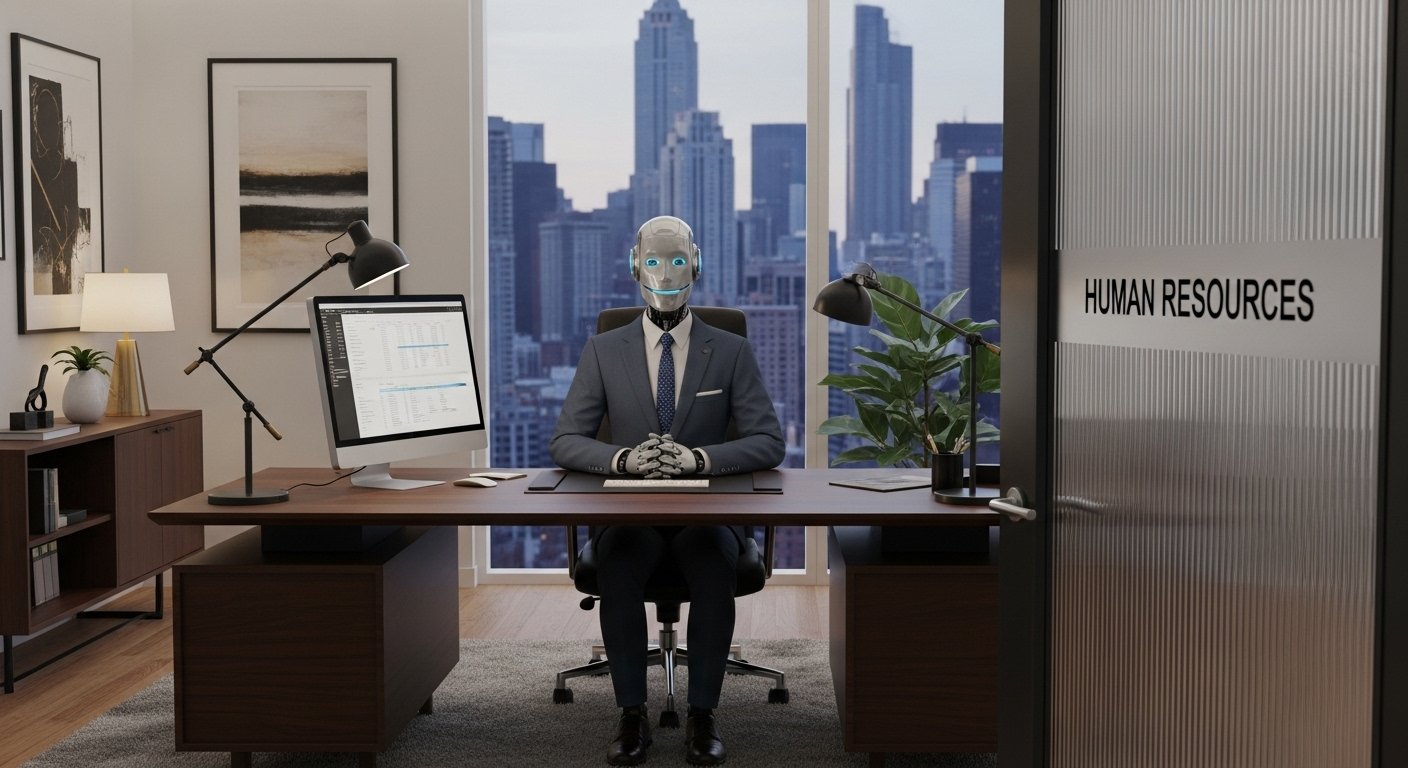
Artificial Intelligence (AI) is rapidly transforming every aspect of business, and Human Resources (HR) is no exception. With AI adoption accelerating, managers increasingly see AI aptitude as critical, even rivaling experience. While this technological revolution promises unprecedented efficiencies and strategic capabilities for HR, it also introduces significant complexities and risks. In this dynamic landscape, HR technology consulting firms are proving to be indispensable partners, guiding organizations to successfully integrate AI while retaining the vital human element.
The AI Promise for HR: Efficiency and Strategic Power
AI is fundamentally reshaping HR, moving it from an administrative support function to a strategic, predictive powerhouse. Many HR leaders are already witnessing substantial benefits:
- Automated Efficiency: AI automates repetitive tasks like resume screening, interview scheduling, payroll, and benefits administration, leading to significant time and cost savings. This frees up HR professionals to focus on higher-value strategic initiatives.
- Data-Driven Decision Making: AI excels at analyzing vast datasets, recognizing patterns, and providing insights that human analysts might miss. This capability supports predictive analytics for workforce needs, talent retention, and skills gap analysis, enhancing hiring accuracy and informing strategic decisions.
- Enhanced Employee Experience: AI enables personalized learning and development pathways, tailored career pathing, and real-time feedback, fostering continuous growth and engagement. Chatbots can provide instant answers to employee queries, improving satisfaction and reducing HR workload.
The AI Peril for HR: Navigating Complexities and Risks
Despite its advantages, AI implementation in HR is not without its challenges. Organizations frequently grapple with disconnected platforms, underused tools, and stalled rollouts. Key risks and concerns include:
- Ethical Concerns and Bias: AI algorithms learn from historical data, which, if biased, can perpetuate or even amplify discrimination in hiring, performance evaluations, and promotions. Consultants are crucial in establishing ethical AI frameworks and conducting bias audits.
- Data Privacy and Security: AI systems often process large amounts of sensitive employee data, raising significant privacy and security risks. Compliance with regulations like GDPR and CCPA is paramount. Consultants help design privacy into systems and ensure compliance.
- Integration Issues: Many companies struggle to integrate new AI tools with existing legacy HR systems, leading to technical challenges and inefficiencies. Consultants specialize in seamless system integration and process redesign.
- Job Displacement and Skill Gaps: While AI influences more jobs than it replaces, it can cause anxiety among employees who fear job displacement. HR needs to focus on strategic workforce development and upskilling.
- Loss of Human Touch and Oversight: Over-reliance on AI can dehumanize HR, leading to feelings of disengagement and distrust among employees. Human oversight remains critical for ethical decision-making, empathy, and contextual understanding, especially in sensitive situations like conflict resolution or mental health concerns.
The Indispensable Role of HR Consultants in the AI Age
Given these complexities, HR consultants are not just an additional expense but a strategic investment for successful AI adoption. They act as “transformation architects,” equipped to guide organizations through the multifaceted challenges of the AI era.
- Strategic Guidance and ROI Optimization: Consultants help define clear business objectives for AI initiatives, ensuring they align with overall organizational goals and deliver measurable return on investment (ROI). Companies leveraging expert advice for IT solutions can see returns up to 400%, and AI investments can yield $3.50 for every $1 invested.
- Risk Mitigation and Compliance: Consultants bring proven methodologies and frameworks to de-risk AI projects by addressing ethical, compliance, and data quality issues from the outset. They establish robust governance, conduct bias audits, and ensure adherence to evolving data privacy regulations.
- Change Management and Human-Centric Adoption: AI implementation is fundamentally a human challenge. Consultants are experts in change management, fostering employee buy-in, communicating the purpose of AI, and managing cultural shifts. They help reframe AI as an augmentation tool, empowering employees for higher-value, creative contributions.
- Specialized Expertise and Bridging Capability Gaps: Organizations often lack the internal multidisciplinary expertise required for AI implementation (e.g., data scientists, AI engineers, HR, legal, change management specialists). Consultants provide immediate access to this scarce talent pool, offering deep technical knowledge, cross-industry insights, and best practices.
- Objective Perspective: External consultants offer an unbiased view, identifying blind spots and challenging the status quo to encourage innovative approaches to HR challenges.
The future of HR consulting lies in the synergy between digital intelligence and human intuition. Consultants who skillfully blend AI’s analytical power with a human touch—emphasizing empathy, critical thinking, and strategic judgment—will not only remain relevant but will lead the way in shaping future-ready, ethical, and highly effective HR functions.
Are you ready to embrace AI in HR and transform your organization with confidence? At Renowned Hiring Solutions, we specialize in guiding businesses through a successful, ethical, and human-centric AI transition. Visit our website at https://renownedhiringsolutions.com/ to learn how we can partner with you.
Leave a Reply